
by Matthew Rehrl MD | Creativity, Philosophy, Politics
There are two of the definitions of ambivalence in the Oxford English Dictionary: Psychoanalysis and Psychology. The coexistence in one person of profoundly opposing emotions, beliefs, attitudes, or urges (such as love and hate, or attraction and repulsion) towards a...

by Matthew Rehrl MD | EHR, Healthcare 3.0, Philosophy
Most people are familiar in some form with Wittgenstein’s Rabbit, a drawing where the image can be seen as both a duck or a rabbit with a shift in perspective. We may need to start thinking of healthcare in this way because I contend that with the centrality of the...

by Matthew Rehrl MD | Health, Healthcare Revenue
As I suggested in my blog post The Animosity Towards BigX, although I am skeptical towards BigHealth, I don’t hate them—partly because big problems of the world, such as CoVid will need big institutions to help deal with it. However, I do think it’s important to...
by Matthew Rehrl MD | Writing
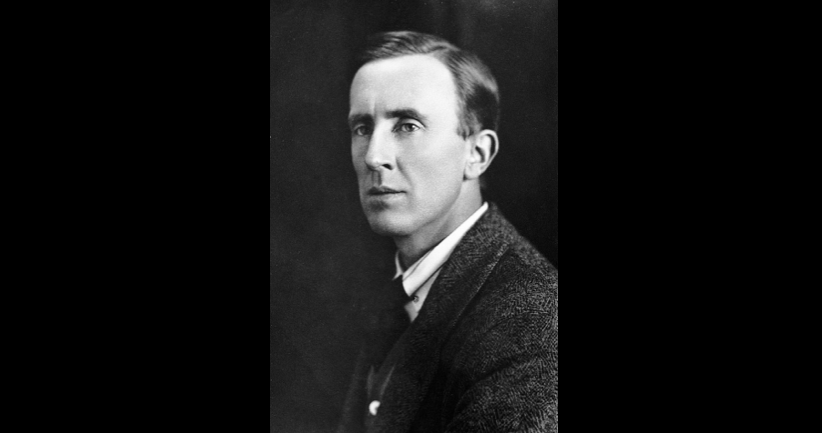
The Oxford English Dictionary gives the following definition for a mentor: Originally (in form Mentor): a person who acts as guide and adviser to another person, esp. one who is younger and less experienced. Later, more generally: a person who offers support and...

by Matthew Rehrl MD | Twitter, Twitter Ethics
Twitter describes the technical differences between muting and blocking well, which I would summarize like this: muting is simply not seeing someone’s tweets (or tweets with specific words, emojis, or hashtags), whereas blocking preventing all interaction with...
